Part 1: What You Should Know About Thyroid Medication
This is Part 1 of a 3-part thyroid series.
URGENT: IMPORTANT NEW INFORMATION ABOUT YOUR THYROID MEDICATION
Dear Valued Health Partner,
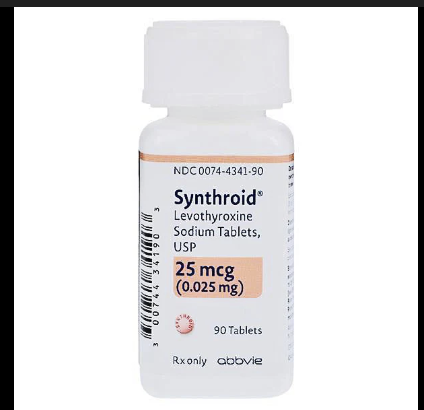
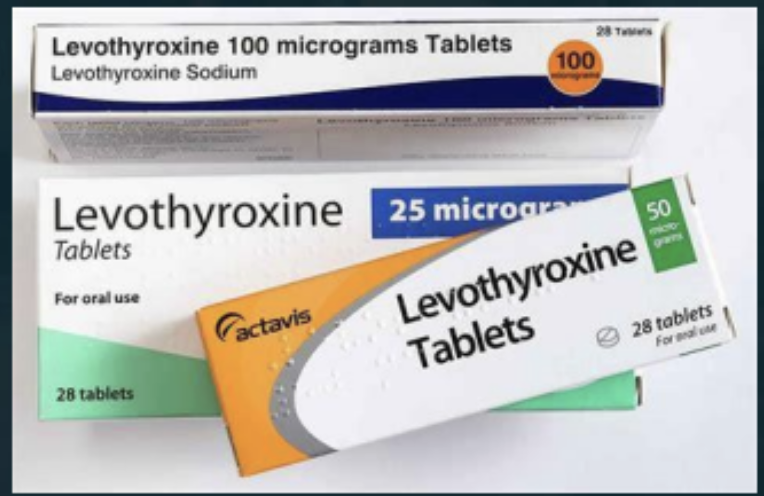
As one of your healthcare providers, my commitment is to your long-term health and well-being. I am writing to share important, recent information about the most commonly prescribed medication for an under-active thyroid, Levothyroxine (often sold as Synthroid, Levoxyl, or Unithroid).
For decades, Levothyroxine has been the standard treatment for hypothyroidism. However, new research is raising serious concerns that I believe you need to be aware of.
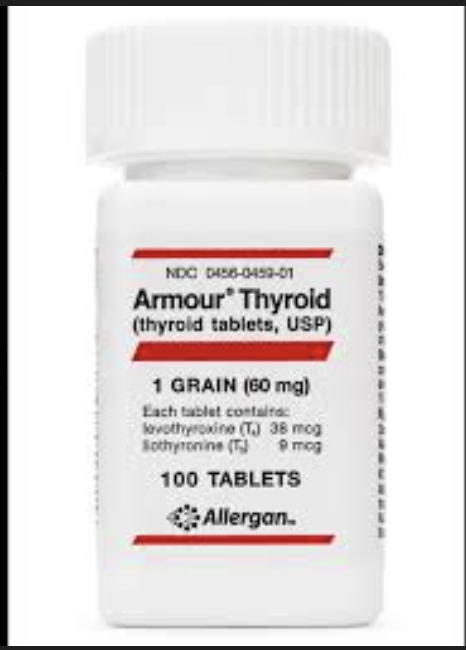
On August 7, 2025, the FDA announced a major change for 1.5 million Americans who rely on animal-derived thyroid medications, also known as desiccated thyroid extract (DTE). The agency informed doctors that they would no longer be able to prescribe popular DTE brands like Armour Thyroid, NP Thyroid, and Nature-Thyroid.
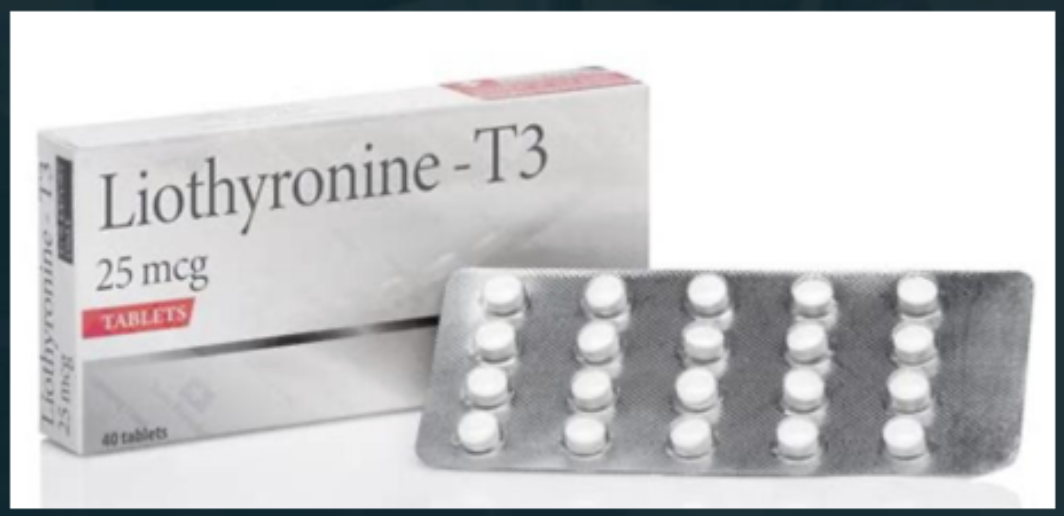
Patients using these medications would need to switch to one of the synthetic, lab made alternatives already taken by 22 million people. Medical providers were instructed to begin transitioning their patients to these other FDA-approved drugs for hypothyroidism. The synthetic medication options are levothyroxine, liothyronine, or a combination of both.
One week later, on August 14, 2025, due to pressure from the MAGA movement, the FDA reversed that announcement.
In my opinion, this move by the FDA seems designed to favor patented, lab-made medications over the natural, animal-derived product that cannot be patented. It raises a huge red flag for me. The FDA is not only forcing 1.5 million Americans to abandon a treatment that works for them but is also channeling them toward synthetic options, which in turn makes pharmaceutical companies even richer.
Now, you're probably asking, "So what? Thyroid medicine is thyroid medicine, right?" Many of us have taken Levothyroxine for years or know people who do. Since the FDA approved these drugs decades ago, aren't they perfectly safe? Let's examine the data to see the full picture.
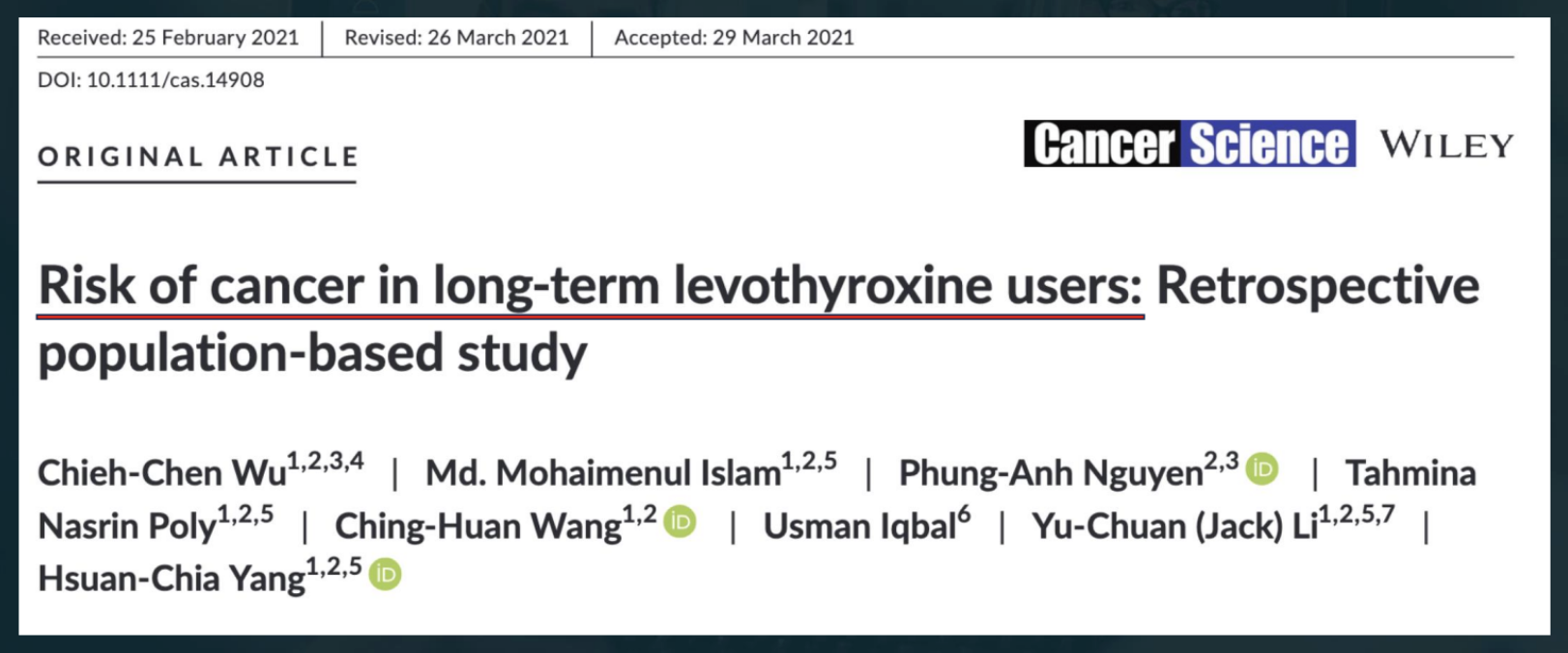
You can find this study at https://onlinelibrary.wiley.com/doi/epdf/10.1111/cas.14908
This research study is from 2021. The study looked at cancer risk from long-term uses of Levothyroxin aka Synthroid. The researchers performed a retrospective case-control study using Taiwan’s Health and Welfare Data Science Center database. (1)
They looked at anyone 20 years or older who had a first time diagnosis of any type of cancer between the years 2001 - 2011. The following few paragraphs are quoted directly from the research study.
“Thyroid disease is a global problem and is growing rapidly. In 2012, approximately 750 million people globally had thyroid disease.” I’m sure at the end of 2025, this number is significantly higher.
“Recently, concerns have been raised regarding the use of levothyroxine medication and its adverse effects, for example, on bone and heart function.”
“Despite the clinical benefits of levothyroxine, concern about its overall safety has further been raised because of its connection to cancer risk.”
“Biological studies have analyzed the association between levothyroxine and cancer risk. Some studies have found that such an association is linked to increased oxidative stress resulting from overproduction of reactive oxygen species (ROS) in the body, and oxidative stress is considered the main factor for various chronic conditions such as cancer and autoimmunity.”
Since the data from previous research studies have been inconclusive, this team conducted a nationwide population-based case-control study to observe whether long-term use of levothyroxine is associated with an increased risk of cancer. The Taiwanese database that they used contains all health-related information for 99% of their population.
“Cases and controls were regarded as levothyroxine users if they were prescribed with levothyroxine for at least two months within the last three years prior to the index date.”
“This 3-year baseline period was introduced because the use of certain drugs is known to increase within the 3 years prior to a cancer diagnosis.”
The researchers broke the levothyroxine users into two groups; short-term (2 - 12 months) and long-term users (1 year or longer).
Doses were broken down into three groups: low dose, medium dose and high dose. If you want all of the nitty gritty specifics, please refer to the website link for access to the study.
If there is a difference of 5% or more, it is considered a significant, correlated increased risk factor for cancer.
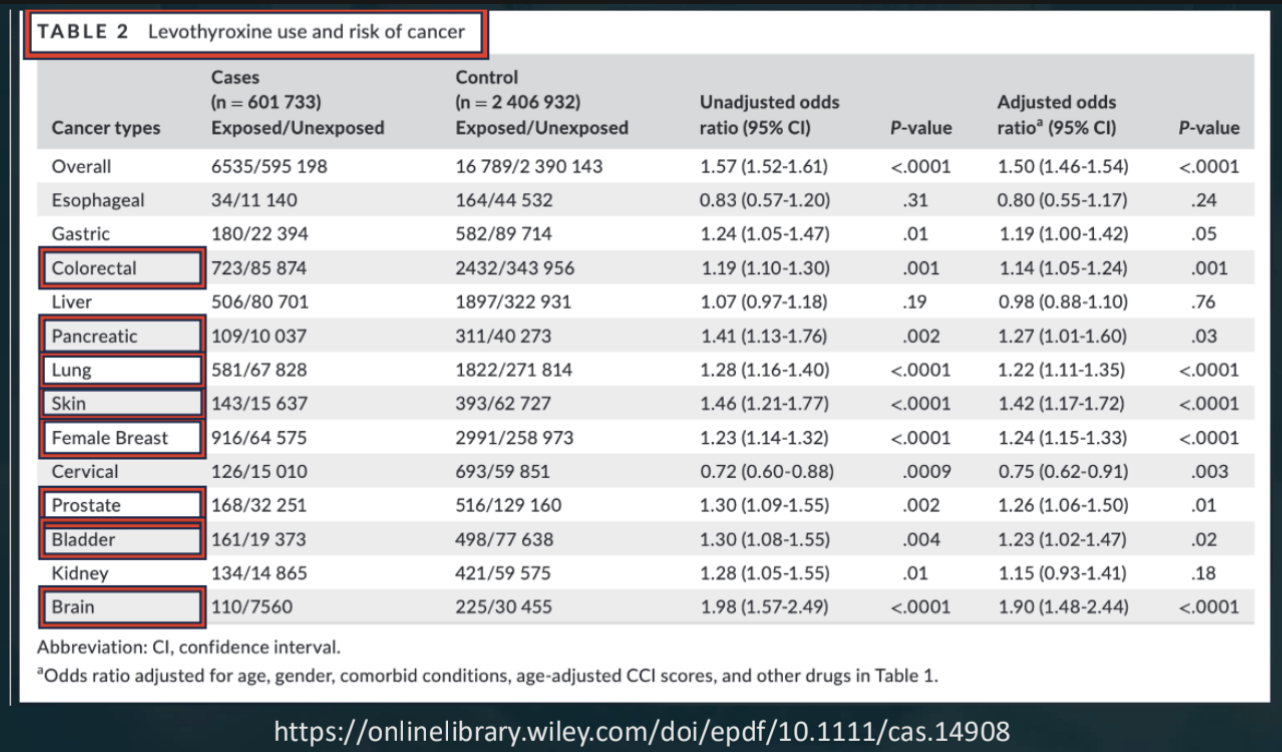
The results indicated that levothyroxine use increased the risk of overall cancer when compared with non-users. There were also significantly increased risk of brain, skin, pancreatic, prostate, bladder, lung, female breast and colorectal cancers with the Levothyroxine use in the cases compared to the controls.
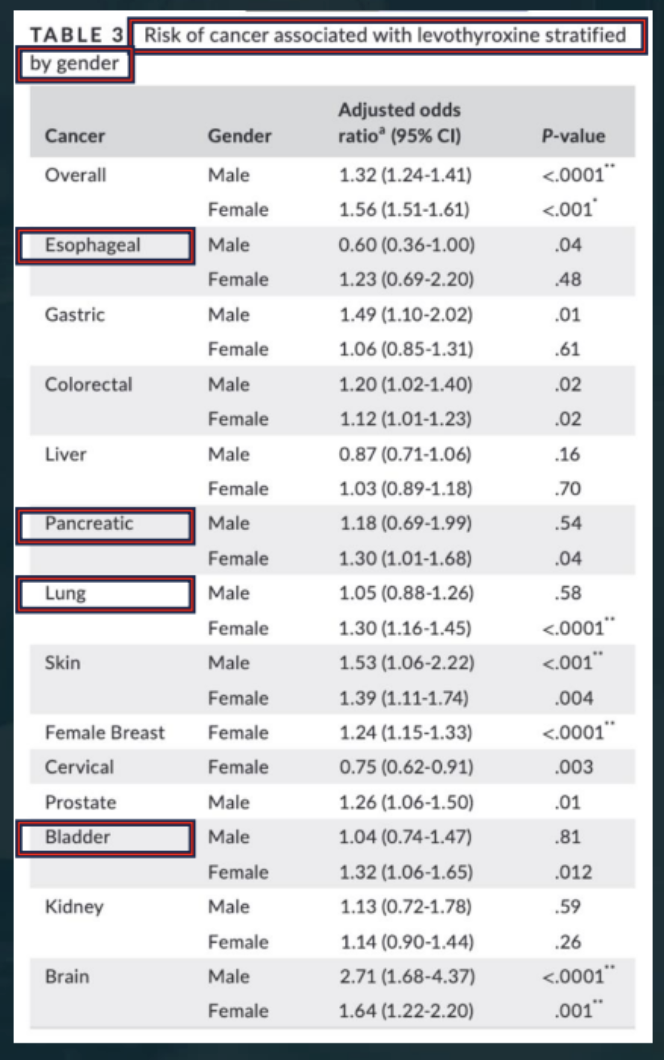
Female patients treated with Levothyroxine have a relatively high risk of overall cancer as opposed to their male counterparts. There was seen an increased risk of bladder, lung, pancreatic, and esophageal cancers in female patients using Levothyroxine.
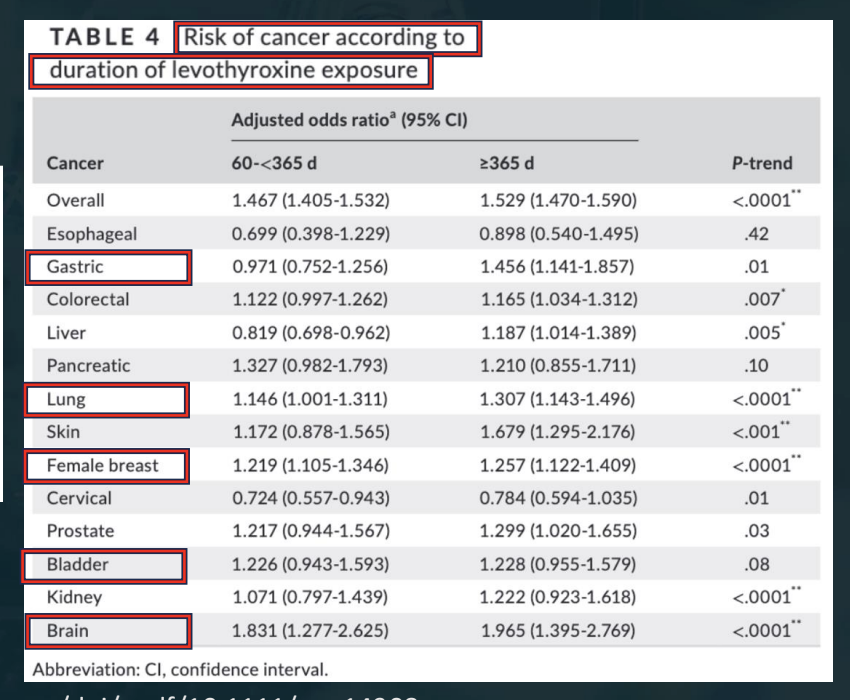
Table 4 shows the effect of cumulative duration of levothyroxine use and cancer risk.
Both the short-term use (2 months - 12 months) and long-term (>12 months) were significantly associated with the overall increased cancer risk.
Patients using levothyroxine for more than 1 year were observed to have higher risks of brain, breast, bladder, lung and stomach cancers.
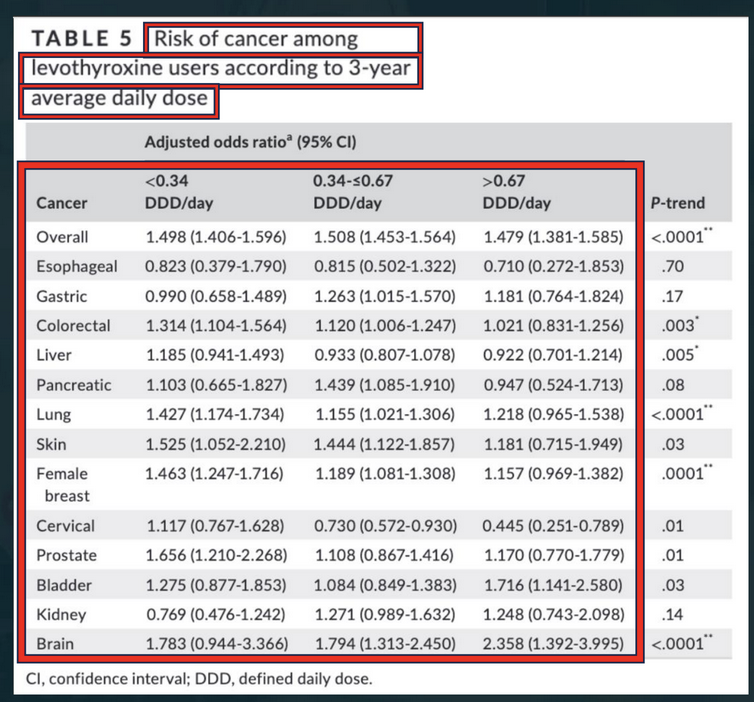
Table 5 represents the effects of 3-year average daily dose of levothyroxine use on cancer risk. Daily doses were categorized into the following three groups: low, medium and high dose. The low, medium, and high doses of levothyroxine use all showed a higher risk of overall cancer.
Surprisingly, this isn’t the only study that has come up with these findings. There was a large scale study in 2020, looking at the Swedish population. (2)
This study indicated an association between levothyroxine use and increased risks of cancers as follows: the overall cancer risk in both genders, risk of breast, endometrium, genital, bladder, skin cancers, and leukemia in females and risk of thyroid and other endocrine cancers in males.
In another study, "Levothyroxine treatment and the risk of cancer: A nested case-control study”, there was a total of 601,733 cases and 2,406,932 controls.
The study abstract says, “Levothyroxine users showed a 50% higher risk of cancer at any site compared with non-users. Significant risks were also observed for brain cancer, skin cancer, pancreatic cancer, and female breast cancer.” (3)
In conclusion, the researchers of the 2021 Taiwan study findings showed that levothyroxine use is associated with a significantly increased risk of cancer and should be taken into consideration in initiating and renewing levothyroxine therapy for patients with hypothyroidism.
If I can find this information, you know darn well the FDA knows that Levothyroxine increases the likelihood that you will receive a cancer diagnosis in the next three years by 50%. Hmmm, talk about driving the pharmaceutical, cancer, money-making machine.
Each year that goes by, I lose more and more trust in these organizations that I thought were looking out for us. When this kind of data is staring us in the face, I do not think they are looking out for us at all. It actually seems like they are intentionally trying to harm us. Trying to force everyone taking Armour thyroid to take medication known to dramatically increase your risk of cancer, sounds suspicious to me.
The goal of this newsletter is not to cause alarm, but to empower you with the latest information so we can make the best decisions for your health together.
In the current environment of our medical establishment, you must be your own advocate.
If you are currently taking Levothyroxine, it is important to know that every time you refill your prescription, you may be dramatically increasing your risk of a cancer diagnosis in the next three years.
I strongly encourage you to print off the research study and give it to your prescribing doctor. If your doctor does not have any acceptable alternatives, I recommend scheduling a consultation with me to discuss your current medication and explore possible alternatives.
We can review your specific health profile and determine if transitioning to a natural, full-spectrum thyroid replacement is the right choice for your long-term health.
Stay tuned. Next week I will discuss some non-prescription options to support your thyroid health.
Your health is my priority. Please call the office at (239) 260-4566 or schedule online to book your appointment.
Your Health Detective,
Toni Eatros, APAcupuncture Physician and Functional Medicine Specialist
Acupuncture and Natural Health Solutions
(1) Wu CC, Islam MM, Nguyen PA, et al. Risk of cancer in long-term levothyroxine users: Retrospective population-based study. Cancer Sci. 2021;112(6):2533-2541. doi:10.1111/cas.14908
(2) Wandell P, Carlsson AC, Li X, Sundquist J, Sundquist K. Levothyroxine Treatment is Associated with an Increased Relative Risk of Overall and Organ Specific Incident Cancers - a Cohort Study of the Swedish Population. Cancer Epidemiology. 2020;66:101707
(3) Plana-Ripoll F, Nørgaard M, Dekkers OM, Jørgensen SP, Sørensen HT. Levothyroxine treatment and the risk of cancer: A nested case-control study. Thyroid. 2023;33(5):563-572. doi:10.1089/thy.2022.0410Toni Eatros, Acupuncture Physician and Functional Medicine Specialist
Want more natural health insights? Listen to my podcast where I discuss lesser-known approaches to chronic health issues. Listen Now.